

 Español
 Deutsch
 Français
All about tea, Uncategorized, Variedades de tés
Japanese Kukicha Tea: Complete Guide (Origin, production, preparation & service)
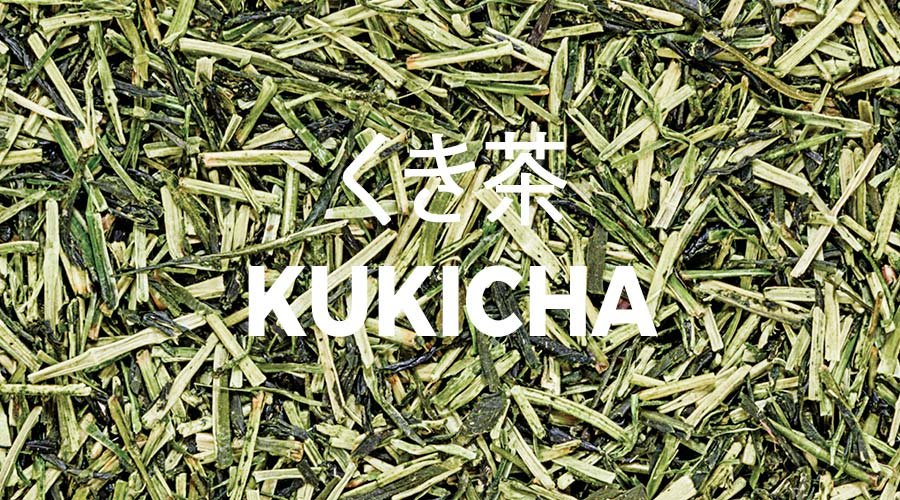
What is Kukicha?
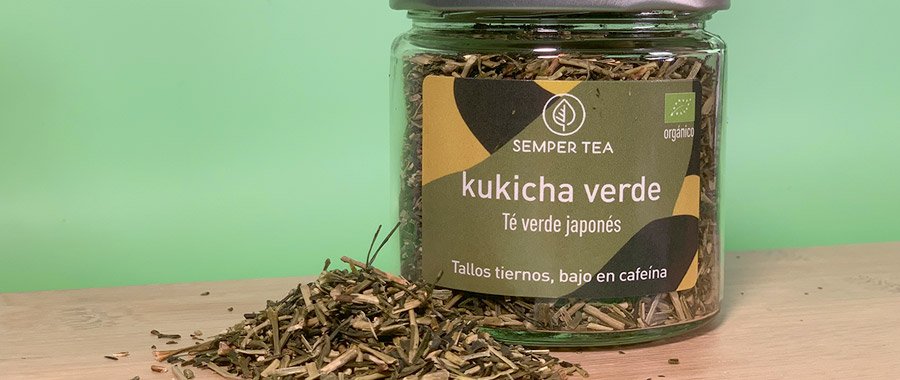
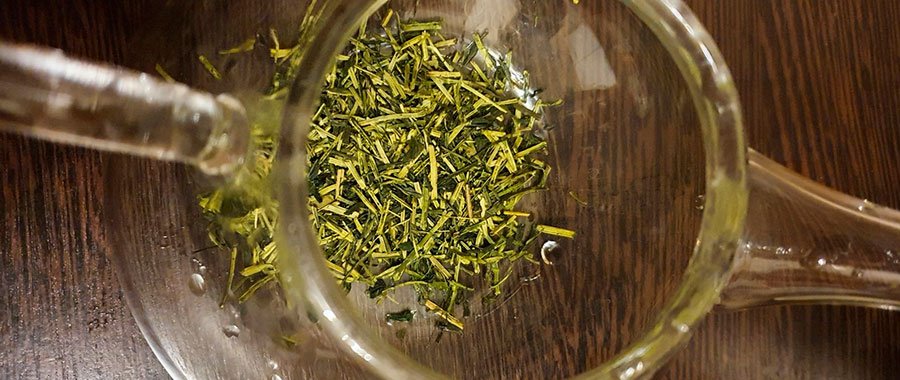
Kukicha (茎茶) literally means “stem tea.” Unlike other Japanese green teas that are made mainly from leaves, kukicha uses stems, petioles (leaf stalks), and fine twigs of the tea plant (Camellia sinensis), along with small leaf fragments. It’s created through the fine screening that takes place during the production of sencha or matcha: delicate, sweet stems are separated and processed to yield a tea with low astringency, generous body, and a friendly, rounded umami.
Our certified-organic kukicha is a blend of stems from the first and second harvests (ichibancha & nibancha), balancing aromatic freshness, natural sweetness, and consistency in the cup.
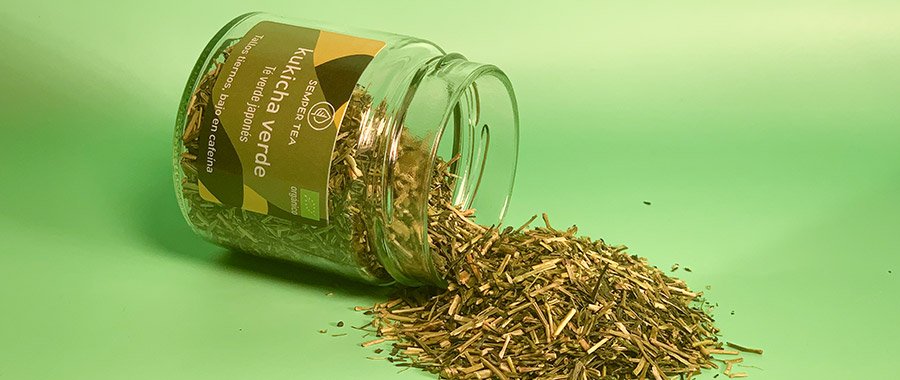
A humble origin with a gourmet soul
The “kukicha idea” springs from the Japanese approach to refinement: what might be treated as a by-product elsewhere is carefully selected, polished, and elevated in Japan. Over time, the stems from high-quality sencha and gyokuro showed a distinct character of their own: natural sweetness, less bitterness, silky texture, and a subtle aroma (gentle wood tones, cereal cream, a hint of green nut). Today, kukicha is a classic in tea houses and restaurants that appreciate clean, comforting flavor profiles.
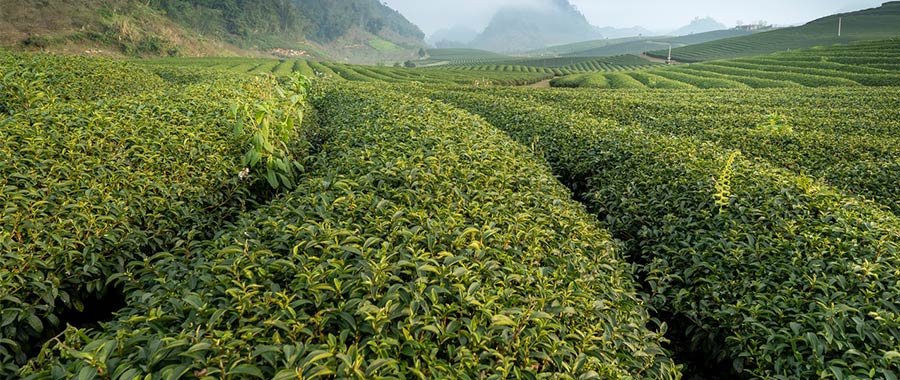
Raw material & harvest (Ichibancha & Nibancha)
Our kukicha is built from two key moments in the year—hence its balance.
- Ichibancha (first flush): spring buds rich in L-theanine bring natural sweetness, fresh green notes, and a silky mouthfeel.
- Nibancha (second flush): adds more body and a more pronounced finish, lending depth and stability.
Blending first and second flushes yields an approachable kukicha with sweet-umami character and enough structure for 2–3 infusions without losing harmony.
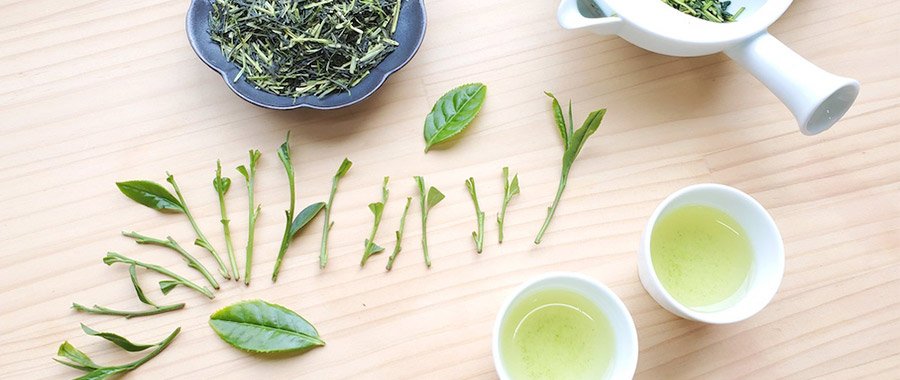
How is Kukicha made? (From field to cup)
- Harvest & steaming (蒸し): fresh leaf is steamed to halt oxidation.
- Rolling & drying: stems are processed alongside leaves, then sieved/graded (by size/weight) to separate the kuki fraction (stems/petioles).
- Blending & fine-tuning: ichibancha + nibancha are combined to achieve the Semper Tea profile—gentle, persistent, and umami-friendly.
- Optional—light roast: some producers apply gentle heat to round off edges. The roasted stem version is called Kuki Hōjicha.
- Organic control & quality: our kukicha is 100% organic, with audits at origin and during packing to guarantee traceability and purity.
Sensory profile: aroma, taste & texture
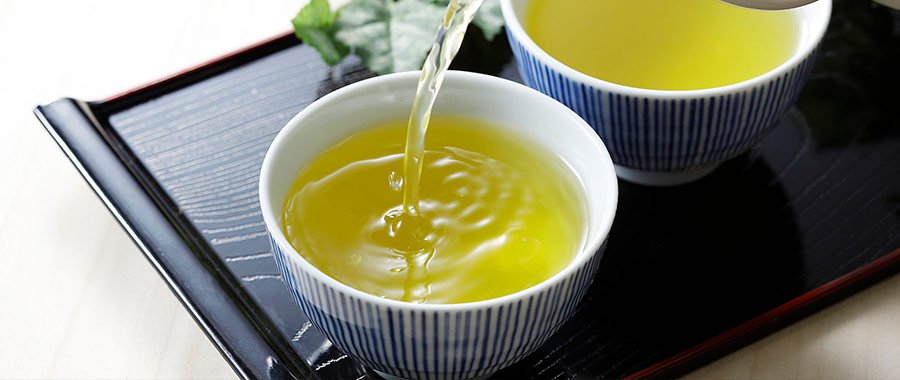
- Aroma: clear and delicate, with hints of tender wood, mild grain, and nut cream; without the intense “marine” notes of some green teas.
- Taste: friendly sweetness and rounded umami; very low astringency compared with brighter senchas.
- Texture: silky and juicy, it coats the palate and invites another sip.
- Finish: fresh, plant-sweet, cleansing the mouth and whetting the appetite for the next sip.
Kukicha & well-being: a companion without the jitters
- Less caffeine: thanks to stems and petioles, kukicha contains less caffeine than many other green teas—ideal for afternoon/evening or more sensitive tea drinkers.
- Gentle calm & focus: L-theanine (the umami amino acid) contributes to a rounded mouthfeel and a calm, focused sensation.
- Easy to drink (hydration): its gentle, highly “drinkable” profile makes it a re-fill tea—great hot or as a cold brew, with no bitterness.
Note: general information; not a substitute for medical advice.
Perfect preparation: grams, temperature, time & re-steeps
A practical guide—adjust to personal taste and local water.
Classic method (cup or kyūsu)
- Dose: 2–3 g per 400 ml
- Temperature: 75–80 °C
- Time: 60–90 s
- 2nd infusion: 80–85 °C · 30–45 s
- 3rd infusion (optional): 85–90 °C · 60 s (lighter profile)
Tip: For more sweetness/umami, go down to 70–75 °C and steep 90–120 s. For more intensity, add +2–3 °C or +0.5 g.
Cold brew (mizudashi)
- 8–10 g/L in soft, cold water
- 6–8 h in the fridge (gently swirl halfway)
- Strain & serve → sweet, zero bitterness, super refreshing.
On the rocks
- Infuse 3 g in 120 ml at 80 °C for 90 s.
- Pour over ice in a tumbler → balanced intensity, clean aroma.
Kukicha vs. other Japanese teas
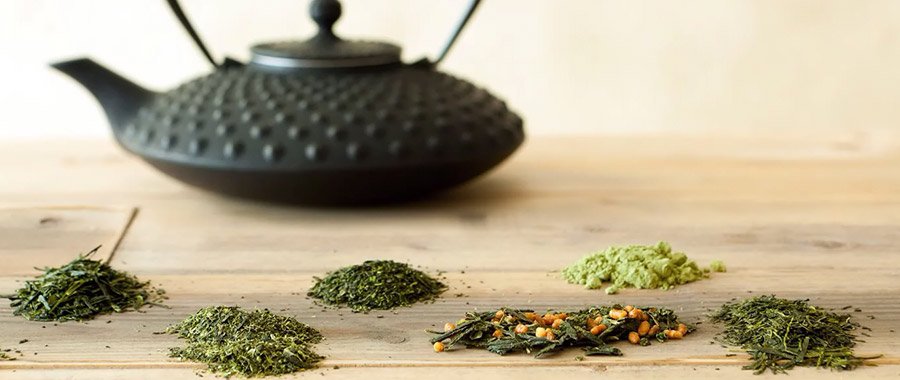
- Sencha: more leaf, brighter & more astringent. Kukicha is sweeter & creamier.
- Bancha: riper leaf later in the season—often more rustic. Kukicha brings stem-driven sweetness.
- Hōjicha: roasted tea (leaf or stem). Kuki Hōjicha is the stem version.
- Genmaicha: green tea with roasted rice; distinctly toasty/grainy. Kukicha stays cleaner and more umami-centred.
- Matcha: powdered and umami-intense; kukicha is a light, very everyday-friendly infusion.
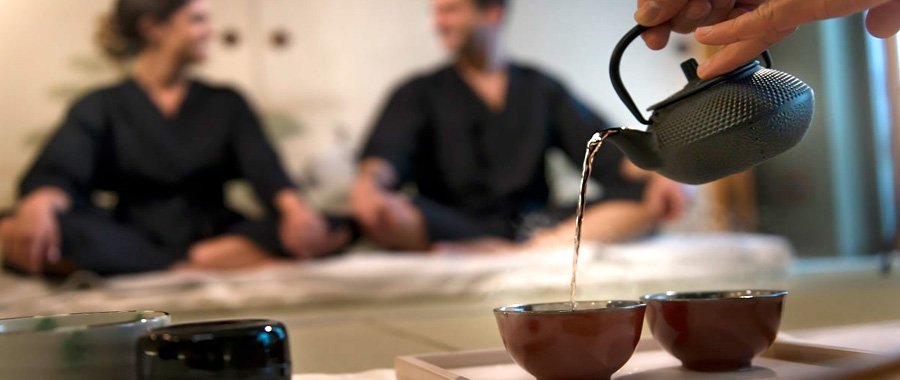
In hospitality & retail: how to showcase it (and sell more)
Rooms & suites
- Perfect amenity: low caffeine, gentle profile—ideal for a relaxing sip anytime.
- Premium touch in suites: a wooden box (6 or 24 pyramids) elevates the experience without overwhelming the space.
Bar & restaurant
- Green trio for the menu:
- Sencha = shine & freshness
- Kukicha = sweet–umami silk
- Genmaicha = toast/grain
- Charming service: kyūsu or small pot, discreet timer, small cups to manage temperature and encourage tasting.
Food pairings
- Savory: mild nigiri, delicate tempura, green salads, vegetable creams, white fish.
- Cheese: soft, low-salt styles (e.g., young brie) or fresh cheeses.
- Sweet: fruit tartlets, financiers, delicate mochi, green tea sponge.
- Breakfast/brunch: sourdough bread, avocado, poached eggs—kukicha cleanses the palate.
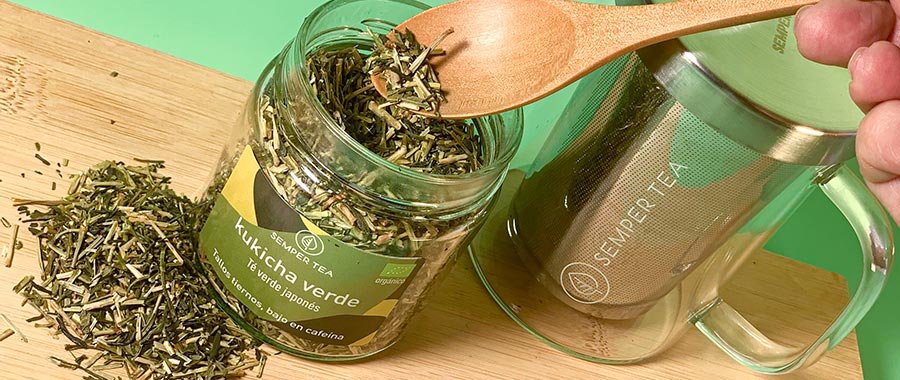
Selection, storage & freshness check
- Color: pale- to bright-green stems; no dominant brown tones.
- Smell: clean, with no rancid or damp notes.
- Structure: firm stems that don’t crumble into dust.
- Storage: airtight; protected from light and heat; low humidity.
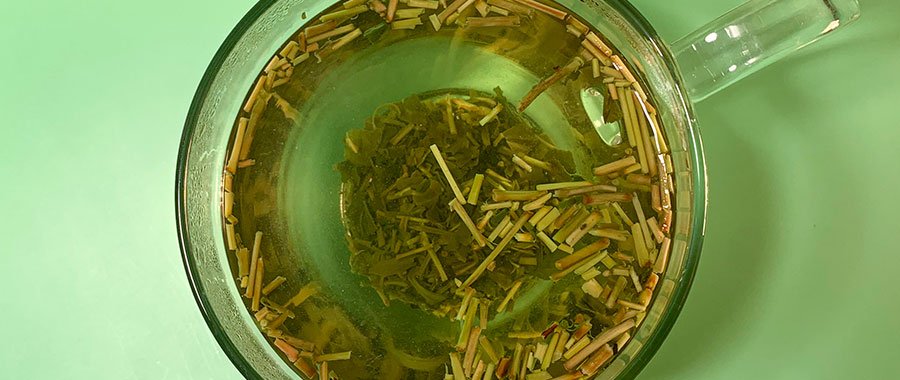
FAQ – Frequently asked questions about Kukicha
Does kukicha have less caffeine than other green teas?
Yes. Thanks to stems/petioles, caffeine is lower—gentler for afternoon/evening.
Where does the sweetness come from?
From amino acids (e.g., L-theanine) that bring umami and roundness.
How many grams per cup and at what temperature?
2–3 g / 200 ml at 75–80 °C for 60–90 s; 2–3 infusions are common.
Can I make a cold brew?
Yes: 8–10 g/L in cold water, 6–8 h in the fridge → very sweet, no bitterness.
What’s the difference between Kukicha and Karigane?
“Karigane” (or Shiraore) refers to kukicha made from high-grade gyokuro/sencha—often creamier and richer in umami.
What is Kuki Hōjicha?
The roasted kukicha variant: hazelnut and roasted-grain notes, very low caffeine.
Is kukicha suitable for hotels?
Absolutely: easy to drink, consistent, and re-steep friendly (2–3 infusions)—perfect for menus and suites.
Water tip?
Soft water or low mineralization enhances sweetness and umami. With hard water, consider filtering.